
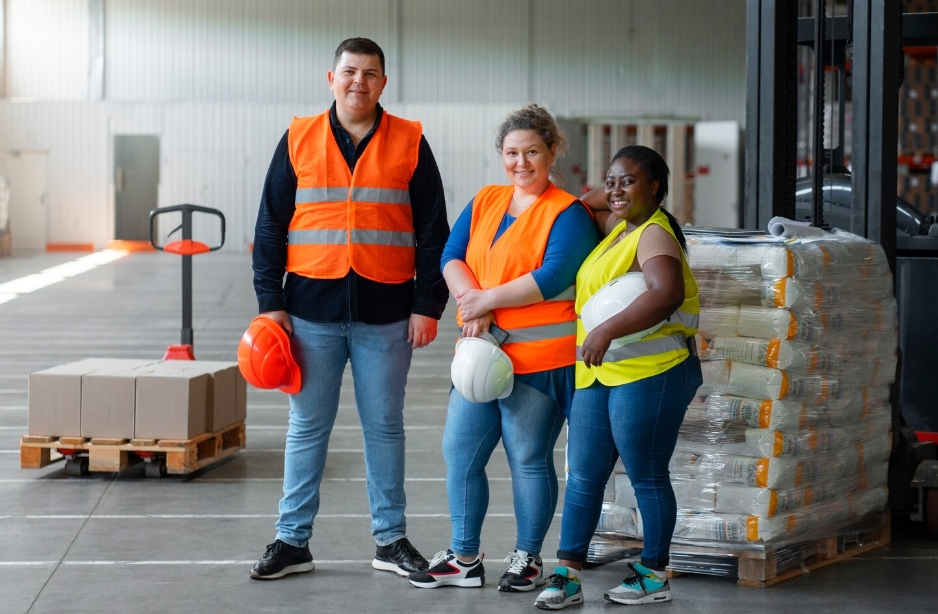
Moving to a new country for work is exciting, but the practical side of the move often gets far less attention than the job itself. Between finding somewhere to live, learning the transport system, and adjusting to a different pace of daily life, the first few weeks can feel like a lot to manage at once. A little preparation, though, makes the transition considerably smoother.
Finding Your Feet in a New Country
The Netherlands is compact, well-organised and, for the most part, easy to navigate once the basics click into place. Registering with the local municipality, arranging a Dutch bank account and getting a BSN number are usually the first administrative steps, and most of these can be completed within the first couple of weeks after arrival. Dutch bureaucracy has a reputation for being thorough rather than difficult, and having the right documents ready in advance, such as a passport, employment contract and proof of address, avoids most of the delays that catch newcomers off guard.
Housing That Feels Like Home
Housing is often the biggest concern for anyone relocating for work, particularly in regions where the rental market is competitive. Many employment agencies, B2Works among them, arrange furnished accommodation directly for workers, which removes a significant source of stress during the first months when everything else is still unfamiliar. Shared housing is common and, while it takes some adjustment, it also tends to make settling in socially much easier, since housemates are often going through the same experience of building a new life in an unfamiliar country.
Getting Around Without a Car
Public transport in the Netherlands is reliable, and the country’s flat terrain makes cycling a genuinely practical option rather than just a novelty. An OV-chipkaart covers trains, trams and buses nationwide, while a second-hand bicycle, widely available and inexpensive, often becomes the fastest way to reach a nearby workplace, especially in smaller towns where cycle paths connect directly to industrial estates. For longer commutes, many workers combine cycling to a station with a short train journey, which keeps travel costs low compared to running a car.
Learning the Everyday Language
Dutch people generally speak excellent English, which makes daily life manageable from the very first day. That said, picking up a handful of everyday Dutch phrases, greetings, numbers, and simple workplace vocabulary, tends to earn genuine goodwill from colleagues and helps daily interactions feel less transactional. Many towns also offer low-cost or free language courses aimed specifically at newcomers, and even a basic grasp of the language opens up more opportunities for promotion and longer-term settlement further down the line.
Building a Life, Not Just a Job
The workers who settle in most successfully tend to be the ones who treat the move as building a life rather than simply filling a job vacancy. That might mean joining a local sports club, exploring the town on a bicycle at the weekend, or simply getting to know neighbours over time. Dutch culture values directness and independence, but also a strong sense of community once trust is established. Homesickness in the first few weeks is completely normal, and it tends to fade as routines form, friendships develop, and the unfamiliar gradually becomes familiar. With the practical basics sorted early on, there is far more room to actually enjoy the experience of living and working somewhere new.