
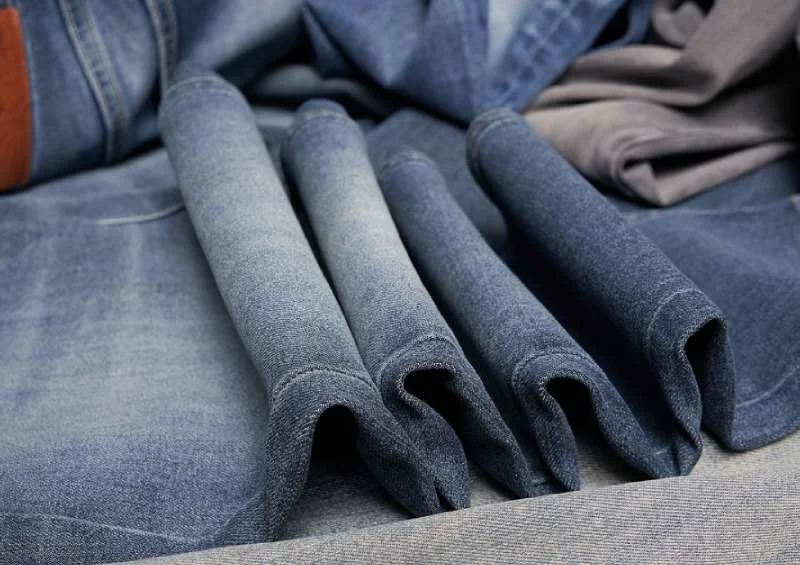
Denim is the new everyday fashion. It is something that never goes out of style; hence, sustainability plays a significant role in the future of this global industry as denim brands, manufacturers, and consumers are increasingly concerned about the environmental footprint of denim. Water-efficient textiles, dyeing, and washing processes are all considered but one crucial element is missing — Using of Sewing Thread.
Now choosing the proper sewing thread isn’t just a technical matter. It has been an essential part of the sustainability evolution of denim products, as both environmental compliance and consumer expectations have come into play. In this guide, we’ll be talking about the significance of sewing threads for sustainable denim-making processes and some measures that manufacturers need to consider in choosing sewing threads.
Importance Of Sewing Thread For Sustainable Denim Production
Sewing thread is also one of the most important items used to make sustainable denim in the production process.
Denim clothing is now the new trend to wear. People wear denim every day, and hence, it has become important to make it sustainable.
Quality sewing threads extends the life of denim clothes by:
- To improve the strength and durability of the surface of the seams.
- Decreasing repairs and returns on products
- Keeping garments in good condition after being washed more than once
- Promote circular fashion, with longer product life.
If sustainability is what you’re concerned about, then the length of service of the product has been shifted to ‘discarded,’ and this is where durable sewing threads come in handyi
Common Types of Sewing Threads Used in Denim
1. Polyester Sewing Thread
Despite its many shortcomings, polyester is still the most common thread used for denim production due to its durability, resistance to wear and tear, and colorfastness. Sews at high speeds and stands up to industrial washing that is commonly passed on the market to create distressed denim styles. Trilobal polyester thread is used for logo embroidery on denim.
2. Cotton Sewing Thread
They are crafted from cotton thread, providing a natural look that seamlessly complements the traditional denim aesthetics. It is frequently used for vintage finishes.
However, in relation to its bulkiness, cotton is less durable than polyester and more vulnerable to shrink and damage when used intensively. In some cases, it is possible to use sustainable cotton threads, created from organic or responsibly sourced fibers, to provide an eco-friendly option.
3. Core-Spun Threads
Polyester corespun thread is produced with a core consisting of polyester material, wrapped with cotton fibers. This hybrid construction is ideal for sewing and the traditional look that is considered necessary to achieve topstitching denim.
These threads are essential in creating a good denim product and provide a blend of strength and style.
Supporting Circular Fashion
Circular fashion prioritizes the longevity, durability, reuse, and recycling of clothes to ensure their continued use for the longest period. Sewing thread is one factor that can help achieve this goal.
Seams that are created well make it easier for the consumer to replace zippers, patch worn areas, or just reinforce the seams—without throwing away the jeans.
Besides, some thread manufacturers are considering making thread products that are compatible with textile recycling technologies and/or using more environmentally friendly materials.
Sewing thread is important for the product life cycle, as it can help reduce the amount of resources consumed over the entire life cycle, including during the sewing process.
Choosing Threads for Different Denim Applications
The denim needs various kinds of thread.
1 Topstitching
The characteristics of the visible decorating stitch thread should also include high resistance, color stability and decorative value. The thicker the thread, the more traditional the contrast stitching will look.
2. Buttonholes and Bartacks
These areas are where concentrated stress is present. Strong polyester or core-spun threads that come in tear-resistant forms offer protection against tears around buttons, belt loops, and pocket openings.
3. Overlocking
Seam lines may be closed over by overlock threads that are flexible yet maintain the integrity of the seam even after several washings and stretches.
It optimizes performance by selecting appropriate threads according to the type of application while minimizing wastage of material.
Improving Manufacturing Efficiency
Sustainability means not only using eco-friendly and sustainable raw materials, but also using them in an efficient manner.
There are a number of benefits with the application of premium sewing threads:
- Reduced thread breakage
- Increased productivity of sewing machines
- Lower maintenance requirements
- Consistent stitch quality
- Reduced fabric damage
- Less production waste
There are reduced machine stoppages, no wastage of the garment, and efficient manufacturing and usage of energy.
Certifications and Responsible Sourcing
For manufacturers looking to produce sustainable denim, there is a consideration to choose threads with known environmental and quality certifications. Certification is proof that thread production adheres to responsible manufacturing and safety standards.
When considering suppliers, remember these things:
- Environmental compliance (including international standards)
- Restricted chemical management
- Product traceability
- Consistent quality assurance
- Release of information at every stage of the supply chain
Interacting with responsible suppliers can help to support broader sustainability goals and boost brand credibility.
Next Generation Sustainable Sewing Threads
The sewing threads and seam technology are continually being refined and improved to match the advancement made in denim technology. Emerging developments include:
- Recycled thread materials of better performance
- Bio-based synthetic fibers
- The traceability of the product chain in digital form
- Lower-carbon manufacturing processes
- Technologies that will allow improved dyeing results with less water
- Threads used for automatic sewing equipment
Threads will be amongst the more critical aspects of reducing the footprint of denim production, as brands set themselves new targets to work towards sustainability.
Conclusion
Sewing thread is a critical part of a denim garment; even though it is a small element, it has a significant impact on product quality, durability, and sustainability. Choosing the correct thread is a critical component of designing longer-lasting, more repairable jeans that generate less waste and production waste.
As high-quality recycled polyester or organic cotton threads and high-tech core-spun threads have become available, product manufacturers must evaluate the quality and environmental considerations of the thread as well. Using sustainable sewing threads in denim production can help to minimize environmental damage caused by the denim industry, increase the longevity of apparel, and make it more efficient to produce it, possibly even decreasing the volume of denims associated with single-use threads and ultimately making the denim industry more sustainable.